With meals to prepare, time to manage, and duties to finish, the kitchen is frequently perceived as a place of urgency. However, if done with purpose, it may be a potent area for introspection and mental clarity. Through routine tasks, reflective cooking encourages us to slow down, use our senses, and re-establish a connection with the present.
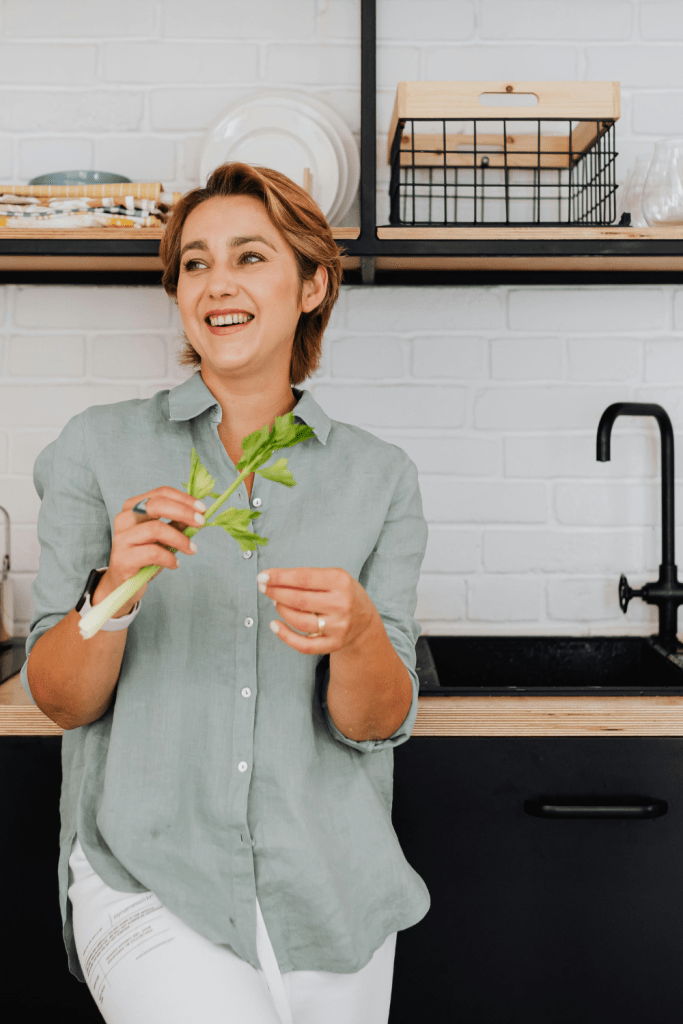
Image Credit: Karola G from Pexels
The Kitchen as an Introspective Area
Cleaning veggies, chopping ingredients, and stirring pots all require rhythm and repetition. The perfect environment for mindfulness is created by these activities. The mind is gently diverted from distractions and fears about the future by concentrating attention on textures, noises, scents, and motions. Instead of racing, the kitchen becomes a calming space where ideas can settle.
Intentional Preparation
Before cooking, contemplation takes place. The experience becomes purpose-driven rather than task-driven when one takes a minute to set an intention, whether it be to cook peacefully, nourish the body, or just enjoy the process. Mental clutter can be decreased by organising ingredients neatly, clearing the area, and working methodically. Clearer mental states are frequently supported by a neat physical environment.
Using the Senses
Cooking with reflection is sensory-rich. Attention is anchored in the present by the sound of slicing, the warmth of the stove, the shifting colours of the materials, and the changing scents. By allowing invasive thoughts to pass without being entertained, this sensory engagement functions as an active meditation technique. This technique improves awareness and emotional control over time.
Repetition as Reflection
Kitchen chores are perfect for introspection because they are often repetitious. The mind can assess the day, analyse emotions, or just relax while the hands are busy. Reflective cognition in this context is serene and nonjudgmental, in contrast to rumination. While the mind lets go of tension, the body stays active.
Giving Up on Perfection
Letting go of the drive for perfection is a crucial part in mentally clearing the kitchen. For meals to be healthful, they don’t have to look perfect. Self-compassion is fostered by accepting minor errors, such as an uneven cut or an overdone dish. In and out of the kitchen, this way of thinking promotes mental clarity and lowers stress.
Closing the Practice
Dinner is not the end of reflection. Cooking and cleaning can be done with the same level of composure. Cleaning dishes and wiping surfaces become gestures of closure that indicate completeness and the ability to go on. This feeling of accomplishment facilitates the mind’s seamless shift to the following portion of the day.
Long-Term Advantages
Frequent introspective cooking techniques can enhance concentration, lower anxiety, and promote a better relationship with food and everyday routines. Over time, the kitchen starts to be linked with calmness and presence rather than pressure.
Silence or stillness are not always necessary for mental clarity in a fast-paced society. Sometimes it starts with something as basic and grounded as cooking—one mindful moment at a time.
 MACIJI