Making a comic book is a creative endeavor that can be time consuming and challenging, however, it can also be successful and pleasurable. Whether you’re a writer, an artist, or both, this step-by-step guide will walk you through the process of creating your very own comic book.
Have you had that big idea and you would like to represent it through a comic? Then this guide will assist you in putting that idea into reality.
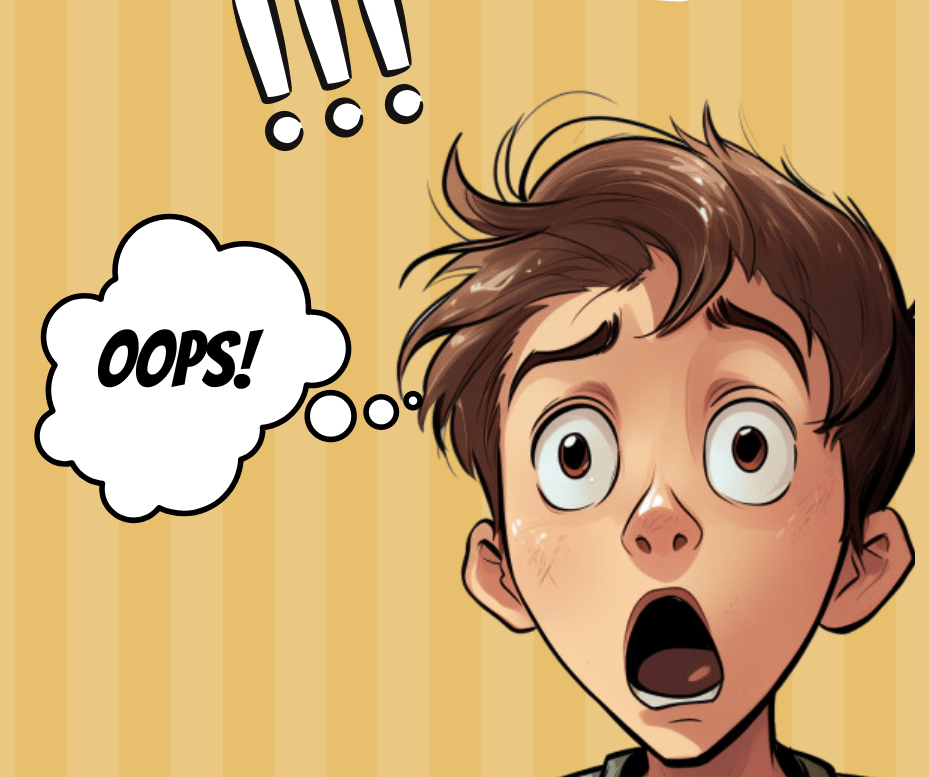
@Midjourney/maciji
Conceptualize Your Comic Book
Story Idea: Create concepts for your comic book before writing the story. Consider the genre, thematic components, and the central conflict you want to analyze. Think about the character motivations and traits.
Characters: Make intriguing characters with unique philosophies, backstories, and arcs. Give them plot-advancing objectives as well as a list of your strengths and shortcomings.
Outline: Make a rough layout of the entire comic book, breaking it up into chapters or issues, and listing the key actors, incidents, and themes in each chapter or issue.
Scripting
Write a Script: Based on your outline, start writing a script for your comic book. The “full script” format, which includes the action, conversation, and panel information, is the most common among the various kinds of screenplays.
Panel Descriptions: Describe the actions that take place in each panel, considering the scene, the characters’ activities, and their attitudes. When describing anything, be succinct and precise.
Dialogue: Create the character dialogue, being careful to give them a distinct voice. Be aware of how conversations flow and how words enhance images.
Balloon Placement: To prevent speech balloons from covering over any of the important visuals, mark the locations of speech balloons in each panel.
Storyboarding
Create Thumbnails: Sketch up rough, small illustrations of each page to use as thumbnails. You may visualize the story’s progression through this approach, organize the layout of each page, and consider the book’s overall pacing.
Page Layout: Before arranging the thumbnails into pages, decide on the number and size of the panels. Consider the consistency and transitions of the aesthetic across pages.
Artwork
Penciling: Start by using the storyboard as a guide to draw the artwork. Create evocative, well-rounded photos with dependable backdrops and characters.
Inking: Ink should be utilized to further define the lines and give the artwork depth when the pencil work is complete. You can ink with traditional pens or digital tools.
Coloring: Choose whether you want your comic book to be colored or black and white when it comes to coloring. If you choose to use it, use traditional or digital coloring techniques to finish your artwork.
Lettering: Use readable text for dialogue, captions, and sound effects in your comic book. Make sure the typography fits properly inside the speech balloons and is consistent with the overall aesthetic.
Editing and Revisions
Review Your Work: To gather opinions Show your comic book to close family members, close friends, or a literary or art critique group to get insightful feedback.
Seek Feedback: Share your comic book with trusted friends, family, or a writing/art critique group to get constructive feedback.
Revise and Polish: Make the necessary changes to improve the comic book’s plot, aesthetic appeal, and overall caliber, considering the feedback you received.
Finalization
Page Size and Format: Choose the size and layout of the pages for your comic book. Examples of typical formats are webcomic dimensions or standard comic book dimensions.
Layout and Pagination: As you arrange the pages, make sure the story is logical and consistent.
Cover Design: Create a cover that appeals to readers and embodies the spirit of your comic book.
Printing or Digital Publishing: Make a choice regarding whether you want to publish your comic book digitally or in hard copies. The options for printing and online publishing are numerous.
Publishing and Promotion
Self-Publishing: If you’re self-publishing, take into account platforms like ComiXology, Amazon Kindle, or your own website for digital distribution. For tangible copies, investigate regional print-on-demand companies or crowdfunding platforms.
Promotion: Promote your comic book on social media, through blog postings, at conventions, and by getting in touch with critics and other key figures in the industry. Engage your audience in conversation to build a following.
Remember that creating a comic book needs dedication, effort, and time. Don’t be hard on yourself, and don’t be afraid to iterate and improve as you go. Most importantly, enjoy the process of developing your characters and plots.
Share your comic with us and we’d love to review it.
 MACIJI