The Kite Runner, a debut novel by Khaled Hosseini, is a heart-wrenching and gripping story that follows the lives of two boys, Amir and Hassan as it traverses the tumultuous political background in Afghanistan. Set against the backdrop of an unsettled nation, the narrative by Hosseini broaches issues like cooperation, deceit, and salvation.
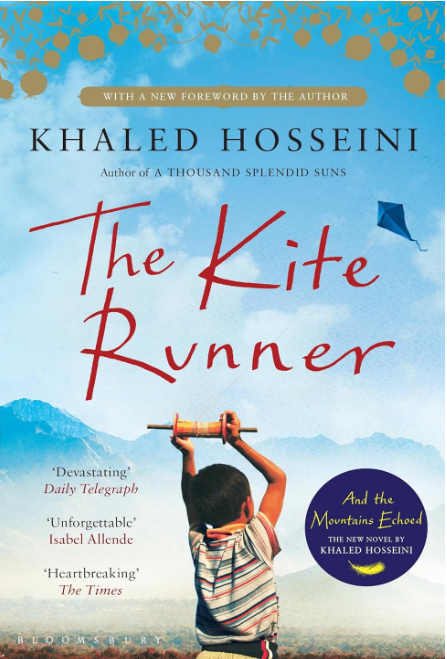
Image Source: amazon.com
The story starts in Kabul during the seventies where Amir, who is privileged, and Hassan who is the son of a servant develop intimacy despite their social class differences. However, an incident happens that changes all this when he takes Amir’s loyalty for granted. Having witnessed his country being invaded by Soviet forces before experiencing other horrors under Taliban rule; Amir escaped alongside his father into America thereby building another life there. Many years later he receives a call from someone he had known which makes him go back to Afghanistan which has been transformed offering him new hope.
In The Kite Runner, Hosseini deftly entangles individual experiences with political events, hence forging multiple narratives within one novel. One key theme explored in this book is redemption. The journey undertaken by the protagonist demonstrates how guilt can only be escaped through great sacrifice. Moreover, his friendship with Hassan embodies far-reaching ethnic problems faced by Hazaras vis-à-vis Pashtuns in Afghanistan.
Loss of innocence is another significant theme. These childhood traumas change the futures of both Amir and Hassan; just as their country subsequently goes through profound upheavals. This period before the Afghan war was beautifully depicted by Hosseini as rich in art juxtaposing what it turned out to be eventually.
Lastly, immigration experience forms part of this novel. On his relocation to America, Amir represents those people whose struggle for survival amidst cultural shifts is overshadowed by haunting memories arising from past misdeeds. It speaks volumes about countless individuals forced out of their homelands struggling with assimilating into foreign societies and finding their own identities.
The personae in The Kite Runner are well-rounded figures who seem thoroughly human. A slightly flawed protagonist is Amir, whose development from being childish to seeking redemption makes his life story both inspiring and heartbreaking. Hassan is mainly seen through Amir’s eyes, he is portrayed as loyal and pure. It was this loyalty that made his fate so pathetic in the end after he had faced betrayal.
Other characters in this book, for instance Baba who is Amir’s father or Rahim Khan who was Amir’s dad’s friend also come out nicely. The appearance of Baba on the scene as a larger-than-life figure along with his twisted relationship with Amir adds dimension to the narrative. Conversely, Rahim Khan assumes the role of a moral compass steering Amir towards salvation.
Hosseini’s writing has been praised for its beauty as well as readability. His descriptions of Afghanistan make it seem alive by using words that conjure up images of the country’s landscapes and culture. At once real and feeling at the same time if these were true people; they all become part of us when we read this novel, thereby making it very immersive. How Hosseini manages to capture these emotions giving them an unprocessed look remains one of his achievements in this masterpiece.
The Kite Runner goes beyond friendship and treachery; rather it examines societal existence, historical influence on present lives, and possibilities for rectification. By doing so Hosseini explains how nations have suffered while their inhabitants get traumatized rendering an engaging piece that will leave readers thought-provoking from start to finish.
The Kite Runner is a must-read for anyone interested in an intense story that integrates historical background with personal tragedy. It is a book that makes one think about forgiveness, loyalty, and the eternal human soul long after it has been read.
 MACIJI