Joyful and fulfilling, gardening is a hobby that can bring us closer to nature. Nonetheless, have you ever considered going the extra mile and making your garden more sustainable? Sustainable gardening is not just a trend; it’s an environmental imperative especially as such concerns grow. Creating a sustainable garden can add value to your experience, whether you are seasoned or new to the game whilst benefiting the planet. To help you get started, here’s a sustainable gardening bucket list that will inspire you to grow a greener, more eco-friendly garden.
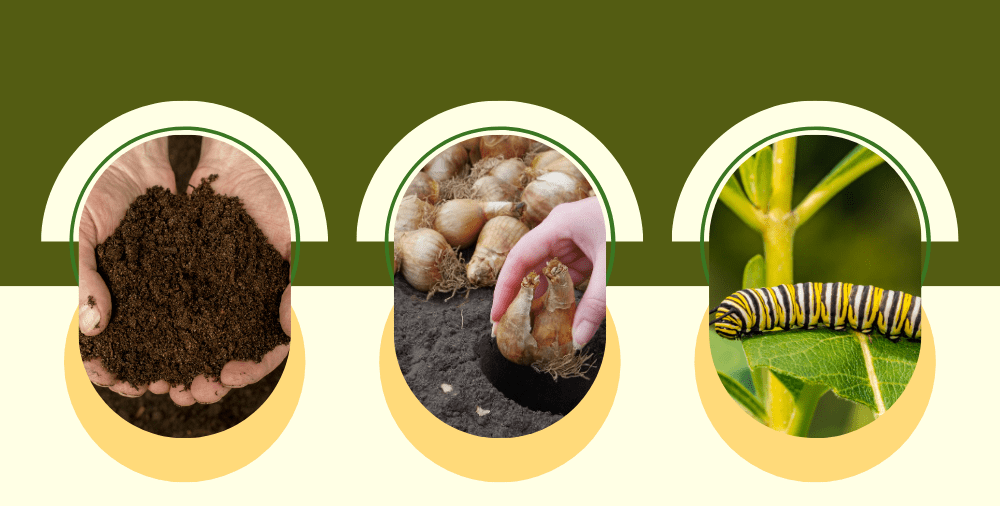
Image Credit: schulzie, LianeM, and JasonOndreicka
Compost Your Kitchen Waste
Sustainable gardening depends on composting. Composting is an easy way of recycling your kitchen waste into nutrient-rich compost used in growing plants among them fruit peels and coffee grounds which decompose well. It also enhances soil conditions and reduces landfills.
Pro Tip: To begin with, try having one small compost bin within your kitchen or yard then remember to balance “green” (nitrogen-rich) and “brown” (carbon-rich) materials when adding them for perfect decomposition.
Plant Native Species
Native species are adapted to local conditions and hence require less water, fertilizer, and maintenance. These plants also attract animals specific to their locality hence promoting biodiversity in any given place.
Pro Tip: Look up details about indigenous flora in your area before including them in your garden plans so that not only do you find they are ecologically friendly but display stunning beauty too.
Install a Rainwater Harvesting System
Every drop counts – water conservation should be at the forefront of every gardener’s mind. Rainwater harvesting sits as an alternative method of reducing reliance on tap water and minimizing expenditure on it.
Pro Tip: Place a rain barrel beneath the downspout to collect rainwater which can be used for watering gardens, especially during periods of droughts.
Create a Pollinator-Friendly Garden
Pollinators like bees, butterflies, and birds are essential for a thriving garden and ecosystem. Having such a space benefits not only these species but also the health of your garden translating to increased productivity.
Pro Tip: Choose a range of nectar-filled blooms like sunflowers, lavender, and coneflowers for your pollinator-friendly garden and avoid pesticides that can be lethal to pollinators.
Grow Your Food
To grow food on your own is the ultimate sustainable gardening act. By growing food at home, you are reducing carbon emissions related to transportation and packaging of store-bought produce while being guaranteed of fresh organic meals every time.
Pro Tip: Begin growing your food by trying out simple crops like tomatoes, lettuce, or herbs in case there’s limited space you could do container or vertical gardens instead.
Practice No-Dig Gardening
No-dig gardening creates soil that retains its structure, supports healthy soil microbiomes, and requires no chemical fertilizers. You can easily create nutrient-rich beds by layering organic materials over the soil surface.
Pro Tip: For starting a no-dig garden, put cardboard or newspaper over the grass first covered by compost, straw, and organic matter in layers then plant directly into these layers.
Use Organic Mulch
Mulching helps retain moisture in the soil, suppress weeds, and regulate soil temperature—all while adding organic matter back into the earth. Rather than using non-degradable types, go for options such as straw leaves or wood chips that will degrade gradually with time thereby supporting sustainability.
Pro Tip: Put thick layers of organic mulch around plants leaving the area around stems unplanted to avoid rotting then top up as required.
Reducing Plastic Use in the Garden
Plastic is virtually everywhere when it comes to gardening, pots are also made of plastic as well as seed trays. By reducing the use of plastics, you not only reduce waste but also avoid possible dangers that could be caused by the breaking down of plastic into microplastics.
Pro Tip: Choose biodegradable pots, repurpose containers, or use natural materials like terracotta. Always try to reuse and recycle any plastic items where this applies.
Carry out Crop Rotation
Crop rotation is a technique of changing where particular crops are planted in each year to prevent soil exhaustion and reduce the chances of pests and diseases. It’s an age-old way that helps retain soil health while increasing yields.
ProTip: In the beginning, plan your garden layout and alternate crops that take away similar nutrients like tomatoes, beans, and squash.
Establish a Wildlife Habitat
By feeding them providing water, shelter, and nesting sites you can change your garden into a local wildlife sanctuary thus supporting biodiversity as well as making it more vibrant and alive.
Pro Tip: Include things such as bird baths, log piles, and wildflower patches but avoid having uniform lawns because gardens must be allowed to be somewhat “wild.”
When starting on the road to sustainable gardening, it’s not just about growing plants but also creating a bond with nature. All these bucket list items add up to make for a greener environment that is more sustainable while at the same time enhancing your gardening experience. So, grab those gardening gloves off the shelf and start ticking off your sustainable gardening bucket list today! 🌱
Happy Gardening!
 MACIJI