Energy efficiency has become a primary concern for businesses and individuals in an age where environmental awareness is on the rise and energy costs are skyrocketing. In addition, these projects lead to great monetary profits and enhance people’s lifestyles. This blog post explores some interesting energy-efficient projects and their benefits while showing you how to make positive contributions.
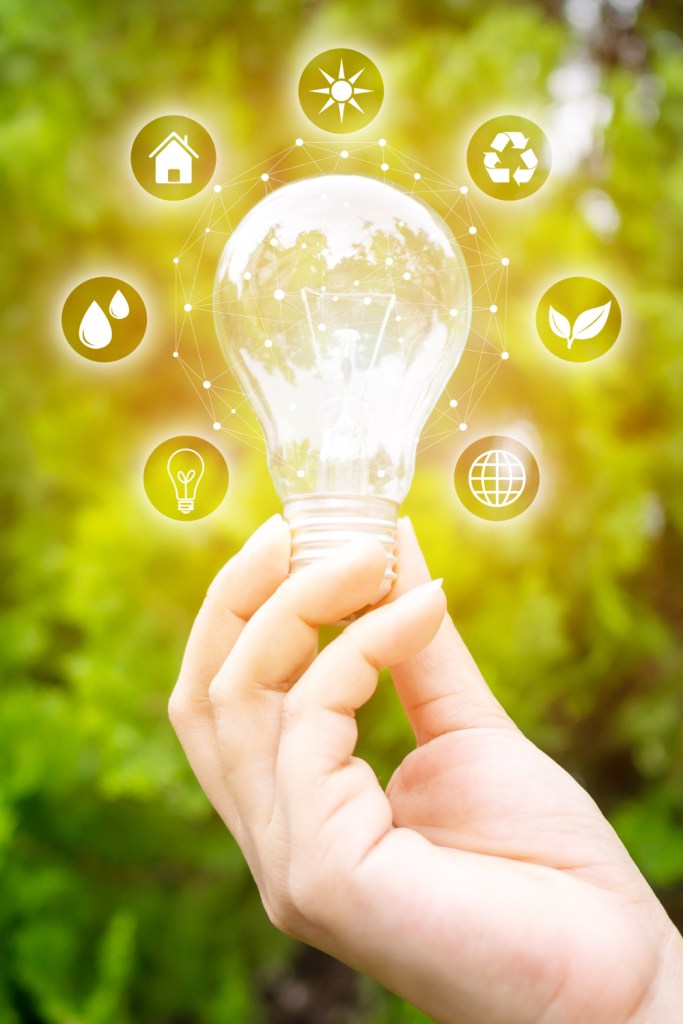
Image Credit: marchmeena29
What are Energy-Efficient Projects?
Energy-efficient projects refer to those actions that are aimed at curbing energy consumption without compromising the quality of service or performance. They span diverse sectors such as residential, commercial, industrial, or transportation. These projects are designed to lower energy bills, mitigate the effects of climate change through reducing greenhouse gas emissions and encourage sustainable practices by optimizing energy use.
Key Types of Energy-Efficient Projects
Building Retrofits and Upgrades
Better Insulation: Improving insulation in walls, roofs, and floors decreases heating and cooling demands.
Efficient Windows and Doors: Installation of double- or triple-glazed windows with high-energy doors reduces heat loss from inside buildings making them warm during cold seasons.
Lighting Upgrades: LEDs instead of ordinary lights or motion sensors for lighting can cut down big electricity bills.
Renewable Energy Integration
Solar Panels: Solar panels installed on rooftops or within solar farms bring light from the sun into power-rich electricity systems so much so that reliance on oil will be reduced.
Wind Turbines: Clean renewable sources through small-scale wind turbines in a community-based setting especially when there is consistent wind flow over time.
Geothermal Heating and Cooling: Regulating building temperatures using natural earth heat results in reduced energy demand considerably.
Smart Technology and Automation
Smart Thermostats: These learn user preferences about heating/cooling systems resulting into optimized energy use with less wastage.
Energy Management Systems: Implementing advanced energy management systems in commercial buildings can monitor and control energy use more effectively.
Smart Appliances: Include modern appliances like refrigerators or washing machines, engineered to consume less energy while still giving stellar service.
Transportation Efficiency
Electric Vehicles (EVs): People should use EV’s instead of normal cars that emit gases into the atmosphere hence reducing emissions and dependence on fossil fuels.
Public Transit Upgrades: Significant cuts in total energy consumption can be achieved if public transport systems are improved and patronized.
Industrial Process Improvements
Energy-Efficient Machinery: Manufacturing plants can reduce their energy consumption by upgrading to high-efficiency equipment.
Waste Heat Recovery: This involves collection and reuse of waste heat emanating from industrial processes thereby increasing overall energy efficiency.
Benefits of Energy-Efficient Projects
Cost Savings: The most direct benefit is lower power bills. By making better use of energy, you can reduce your utility spending and possibly see a return on investment through savings.
Environmental Impact: Energy-efficient projects help decrease the demand for energy production, which in turn reduces greenhouse gas emissions and environmental pollution. This contributes to mitigating climate change and protecting natural resources.
Enhanced Comfort and Performance: Better insulation or smart thermostats make living/working spaces more comfortable. Modern appliances that consume less electricity often outperform older ones.
Increased Property Value: Resale value improves when a property becomes more energy efficient. Buyers usually pay a premium for homes and buildings that have low operating costs and reduced environmental impact.
Energy Independence: More people are becoming self-sufficient concerning their power needs, meaning they no longer rely on external sources of power but rather invest in renewable energies thus gaining greater control over their own power supply.
How to Get Started
Evaluate Your Needs: First, evaluate your recent energy use and identify areas where it can be made more efficient. Consider conducting an energy audit to determine what areas need improvement.
Research Solutions: Investigate several energy-efficient technologies and solutions that meet your needs and financial constraints. Seek out government rebates or incentives that could be offered to help with upfront expenses.
Consult Professionals: To assist you in the process, get in touch with energy efficiency specialists. They can offer insightful information, suggest appropriate technology, and support implementation.
Implement and Track: After selecting and installing energy-efficient solutions, keep an eye on how well they’re working and keep tabs on your energy savings. Making modifications and maintenance regularly can guarantee that your efforts keep paying off in the long run.
Spread the Word: Encourage others to follow in your footsteps by sharing your experiences and accomplishments. More substantial effects on the environment and economy can result from group actions.
Energy-efficient projects benefit the environment and your pocket at the same time. By funding these projects, you can enjoy lower energy expenses and more comfort while also helping to create a more sustainable future. Making improvements to your house, streamlining business procedures, or investigating renewable energy sources are all important steps in the direction of increased energy efficiency. Accept the energy of the future now and become part of the global shift towards a more energy-conscious and sustainable society.
 MACIJI