For people with dysphagia (difficulty swallowing), it’s important to pay special attention to the texture and consistency of the food when preparing soft, easily swallowed meals. The aim is to ensure the food is wet, smooth, and free of pieces that might lead to choking hazards. The following recipes address such needs:
Creamy Chicken Puree
A smooth and flavorful dish that’s easy to swallow.
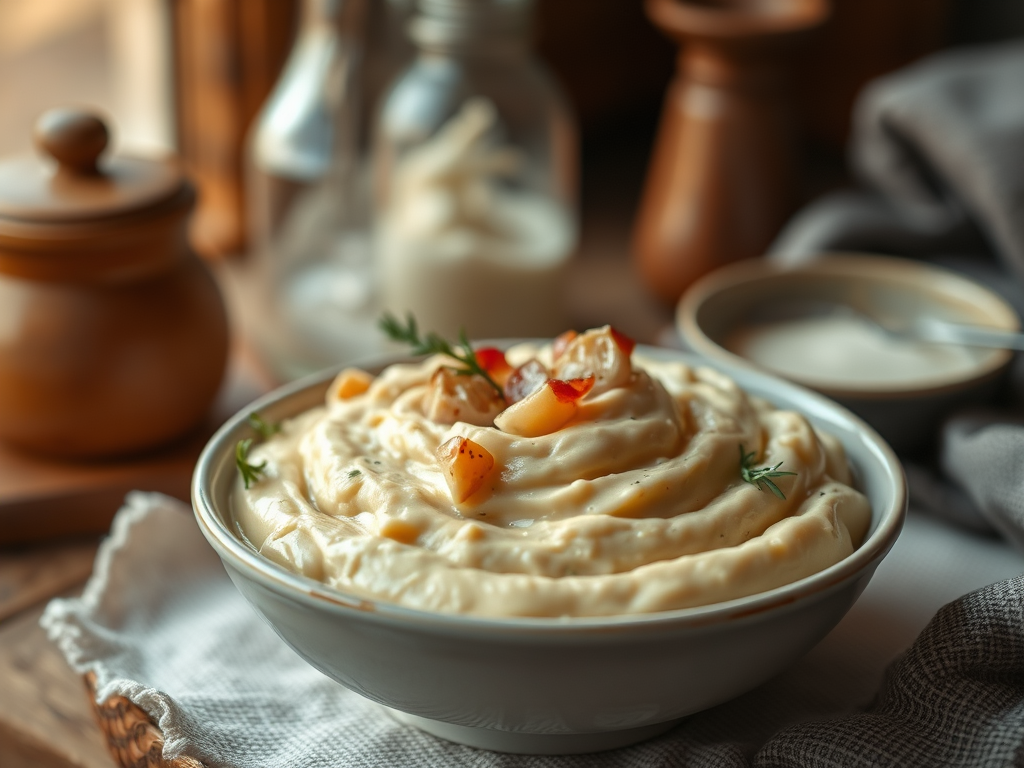
Ingredients:
- 1 cup cooked, shredded chicken breast (skinless)
- 1/2 cup chicken broth (low sodium)
- 1/4 cup heavy cream
- 2 tbsp unsalted butter
- Salt and pepper to taste
Instructions:
Blend: In a blender or food processor, combine the cooked chicken, chicken broth, heavy cream, and butter.
Puree: Blend until the mixture is smooth and has a creamy consistency. If the mixture is too thick, add more broth or cream as needed.
Season: Taste and season with salt and pepper.
Serve: Serve warm. For added flavor, you can top it with a small amount of smooth gravy.
Silky Mashed Potatoes
A classic comfort food that’s both soft and easy to swallow.

Ingredients:
- 2 large russet potatoes, peeled and diced
- 1/4 cup heavy cream
- 2 tbsp unsalted butter
- 1/4 cup milk (more if needed)
- Salt to taste
Instructions:
Cook: Boil the diced potatoes in salted water until very tender, about 15-20 minutes.
Mash: Drain the potatoes and return them to the pot. Add the butter and mash until smooth.
Mix: Slowly add the heavy cream and milk, mixing until the potatoes reach a smooth and creamy consistency. If needed, add more milk to adjust the texture.
Season: Taste and add salt as desired.
Serve: Serve warm. You can add a little extra melted butter on top for added richness.
Creamy Butternut Squash Soup
A smooth and naturally sweet soup that’s nourishing and gentle on the throat.

Ingredients:
- 1 medium butternut squash, peeled, seeded, and diced
- 1 small onion, chopped
- 2 cups vegetable or chicken broth (low sodium)
- 1/2 cup heavy cream or coconut milk
- 2 tbsp olive oil
- Salt and pepper to taste
Instructions:
Sauté: In a large pot, heat the olive oil over medium heat. Add the chopped onion and sauté until translucent.
Cook Squash: Add the diced butternut squash and broth. Bring to a boil, then reduce the heat and simmer until the squash is very tender for about 20 minutes.
Blend: Use an immersion blender or transfer to a blender to puree the soup until smooth.
Add Cream: Stir in the heavy cream or coconut milk, and season with salt and pepper.
Serve: Serve warm, garnished with a drizzle of cream if desired.
Banana Avocado Smoothie
A nutrient-rich smoothie that’s both smooth and satisfying.

Ingredients:
- 1 ripe banana
- 1/2 ripe avocado
- 1/2 cup Greek yogurt (or a dairy-free alternative)
- 1/2 cup milk (or almond milk)
- 1 tsp honey or maple syrup (optional)
Instructions:
Blend: In a blender, combine the banana, avocado, yogurt, and milk.
Smooth: Blend until the mixture is completely smooth. If needed, add more milk to achieve the desired consistency.
Sweeten: Taste and add honey or maple syrup if you prefer a sweeter flavor.
Serve: Serve chilled, with or without a straw.
Creamy Carrot Puree
A naturally sweet and smooth vegetable puree that’s easy to digest.

Ingredients:
- 3 large carrots, peeled and sliced
- 1/4 cup chicken or vegetable broth (low sodium)
- 2 tbsp unsalted butter
- 1/4 cup heavy cream
- Salt to taste
Instructions:
Cook: Boil the sliced carrots in a pot of water until very tender, about 15 minutes.
Blend: Drain the carrots and place them in a blender with the broth, butter, and cream.
Puree: Blend until smooth and creamy. Add more broth or cream if needed to achieve a soft consistency.
Season: Taste and add salt as desired.
Serve: Serve warm, as a side dish, or as a base for other soft foods.
Advice for Making Soft and Easily Swallowed Foods:
Consistency: For every meal, strive for a velvety, pudding-like consistency.
Prevent Chunks: Ensure all food is well combined or mashed to prevent any lumps or chunks that can make swallowing difficult.
Moisture: To facilitate swallowing, foods should be somewhat wet but not runny.
Temperature: Foods should be served at a reasonable temperature to avoid making swallowing difficult due to extremes in heat or cold.
The dishes ought to offer diversity and nutritional benefits, guaranteeing that meals are secure and pleasurable for people with dysphagia.
 MACIJI