Traveling is one of the most fascinating activities in life as it helps to learn about other cultures and visit new places or geographical regions. For hearing-impaired travelers, going on sightseeing should not only be fun but easy as well. Many places in the world, while being generally appealing, have gone to make sure that their facilities are not only open but visually inclusive to people with hearing difficulties. Subtitles or audiovisual content, interpreters, or activities that can be done physically, would enable equal exposure for each person. We will explore some sights that would be very useful for people with hearing impairments.
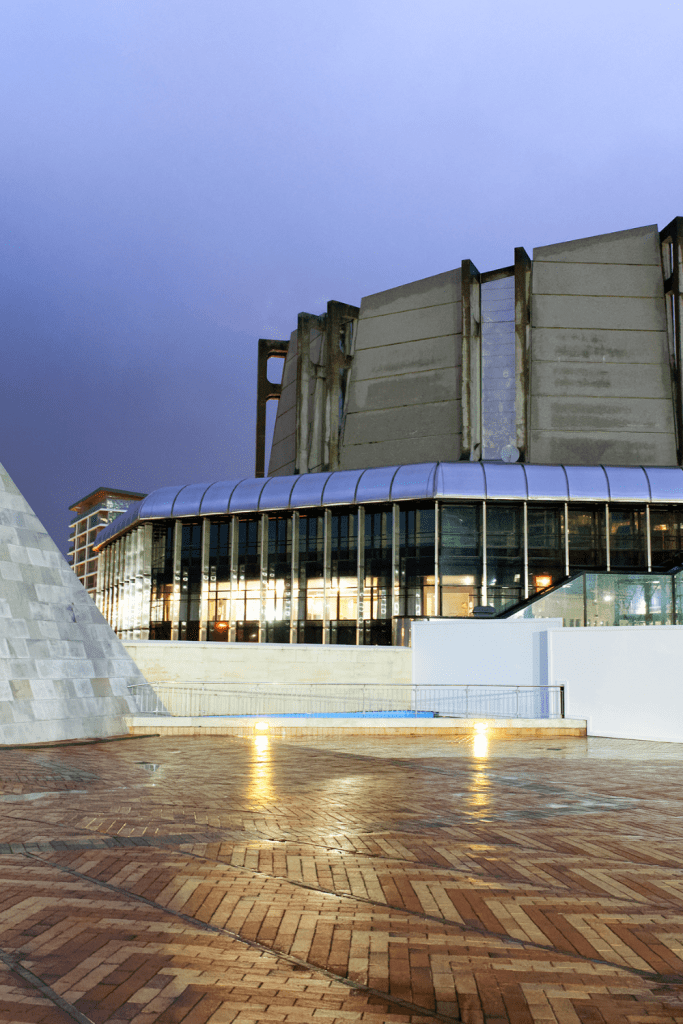
Image Credit: Gagliardi Photography
Smithsonian Museums Washington DC USA
Smithsonian Museum is situated in the heart of Washington, DC, and there are a lot of tourists who may visit, among others, the National Museum of Natural History, National Air and Space Museum, and the American History Museum. Many services are available to people suffering from hearing impairment during their visit to the Smithsonian Institution, including:
American Sign Language (ASL) Tours: Museums that provide ASL tours will have an interpreter guiding the deaf visitors, and these tours can be requested with great ease in some of the large museums.
Captioned Videos and Interactive Exhibits: The inclusion of most of these visual aids in almost all video content and multimedia present with themselves such aids to the hearing-impaired guests at the Smithsonian who visit the museums.
Assistive Listening Devices: This is common during most of the guided tours as even the ones who have little hearing can appreciate the views provided to them properly without discomfort.
Moreover, the museums do not charge fees hence it is a less expensive place to visit.
Guggenheim Museum – Bilbao, Spain
Guggenheim plays host to probably the most prestigious collections of modern and contemporary art ever composed. What makes it stand out to hearing-impaired travelers?
Audiovisual Media for Self-Directed Tours: Some material contains visual aids and recorded tours using sign language to supplement the attraction.
Linguistic Facilities: Those who know international sign languages have the alternative of watching video guides provided by the Guggenheim Bilbao in Spanish, French, and English and encourage more people to visit the museum.
Visual Interpretation Workshops: The museum conducts workshops oriented towards visual interpretation which allows visitors to relate to the displays in other than auditory means.
Acropolis Museum – Athens, Greece
Situated in the vicinity of the equally historical Acropolis, the Acropolis Museum is dedicated to the history of Ancient Greece. This museum, however, is not like any other one, it caters to hearing-impaired people as well.
Greek Sign Language (GSL) and International Sign Language Tours: One of the alternatives you can book is a guided tour in which the guide is GSL or ISL proficient. This makes it possible for all the visitors, no matter their ability to hear, to appreciate and understand all the ancient objects that are housed in the museum.
Interactivity: Almost all the programs in the museum are visual and tactile, hence no audio description is necessary.
Mobile App: At the Acropolis Museum, visitors can use a mobile app that allows them to view video guides with in-depth visuals of the exhibition on display. For those who wish to delve into the culture of ancient Greece, without any distractions of sound and narration, the Acropolis Museum is a place that should not be missed.
The Anne Frank House – Amsterdam, Netherlands
As a moving and significant focal point in the history of Amsterdam, the Anne Frank House in the Netherlands shares with the world the life of young Anne Frank and her family during the crises of WW II. To enhance accessibility of this activity to those who have difficulties in ‘hearing, the learning resources provided by the museum include:
Sign Language Tours and Captions: Sign language tours (In Dutch and international). There is also captioning of videos and films shown in the course of the exhibition.
Mobile apps with a Story: The app let visitors take virtual tours with text and sign language interpretation so that the story of Anne Frank can be followed even when walking in the house.
Digital Exhibits: Some of the exhibitions are graphical and may be manipulated by the deaf and hard of hearing able to view the content without sound.
Sydney Opera House – Sydney, Australia
While the Sydney Opera House is notable for its music, opera, and most especially the performances, it also is a good place for sightseeing with hearing-impaired tourists.
Accessible Guided Tours: To highlight the history, architectural, and cultural significance of the Opera House, the venue offers guided tours in Auslan, or Australian Sign Language.
Captioned Performances: Even if audience members do not actively participate in the drama, but rather passively enjoy it, several shows offer captions on a variety of performances.
Visual and Tactile Tours: The Opera House offers these types of tours to people with learning disabilities and other forms of disabilities such as hard of hearing.
There are some amazing sights of course and the surrounding harbour and the Sydney Opera House itself are worth seeing even when you do not go to watch a show.
Te Papa Tongarewa – Wellington, New Zealand
The National Museum of New Zealand, Te Papa Tongarewa, is a state-of-the-art facility that features a wealth of Maori exhibits in addition to showcasing the nation’s natural and cultural legacy. It provides several services to guests with hearing impairments.
Sign Language Tours: Paid Guided Tours of the New Zealand Museum’s Te Papa includes NZSL interpreters who undertook film development frame by frame.
Captioned Exhibits: Te Papa offers the majority of video and audio exhibits with captions in both English and Maori.
Interactive and Visual Displays: Furthermore, Te Papa has remarkable competence at providing captivating, engaging, and interactive exhibitions, some of which are multi-sensory so, people with hearing impairment can learn effectively.
Gardens by the Bay – Singapore
For those with an appreciation for gardens, one of the most beautiful places in the world is Gardens by the Bay in Singapore which has integrated nature into futuristic architecture. Gardens by the Bay may seem like a place where few hearing abilities are needed because of the nature-based attractions. However, Gardens by the Bay has taken initiatives to achieve inclusiveness:
Visual Displays and Digital Guides: The gardens have digital guides with pictures of the various kinds of plants and their habitats so that even without using the voice-over, the audio provided to the visitors is appreciated with the vastness of the various plant societies.
Accessible Attractions: Both the Supertree Grove and the Cloud Forest Conservatory have settings that incorporate visual narratives and interactive features designed to entertain hearing-impaired audiences.
Guided Tours with Sign Language Support: For hearing-impaired people, sign language expense-free tours help ease the exploration of the expansive park.
Being a hearing-impaired traveler does not exclude individuals from experiencing the amazing wonders that the top tourist destinations can provide. Such places are appropriately designed to cater to the needs of everyone so that those who are hard of hearing and those with limited- or no hearing abilities are still able to take home fond memories.
Many places throughout the world have gone above and beyond to make accommodations for travelers with hearing impairments, from aesthetically pleasing gardens to historically significant museums. Therefore, you can be confident that the world is getting easier to reach every day, whether you’re visiting modern art in Spain or learning about ancient history in Greece. Happy travels!
 MACIJI