There are few better methods to revitalize the mind, body, and soul than traveling and sightseeing. For those who suffer from mental illnesses, though, there may be difficulties involved. Choosing the appropriate travel location is essential to ensuring that the trip enhances mental well-being rather than adding stress, regardless of whether the traveler is coping with anxiety, depression, PTSD, or other problems.
This blog post will examine a few tourist attractions that provide serene, healing settings that are perfect for people with mental health issues. These locations were selected with ease of access, peace, and healing properties in mind.
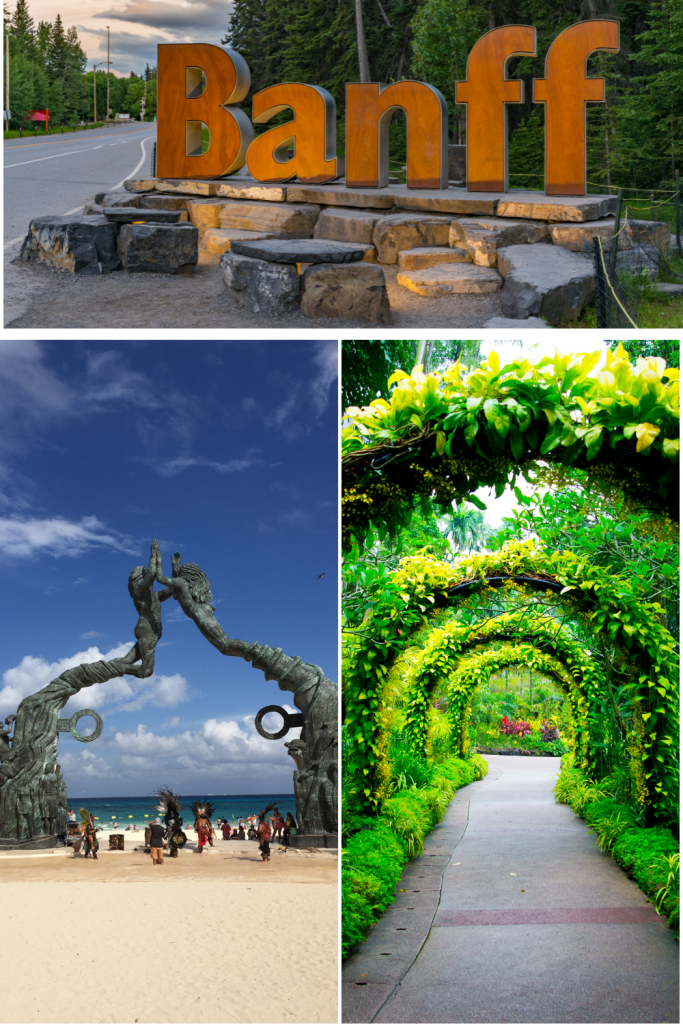
Image Credit: paulbrady, Photon-Photos, Kiyoshi Tanno
Natural Retreats: Forests and National Parks
There is ample evidence that nature can heal, and spending time in natural settings can be especially good for mental health. Getting lost in peaceful surroundings, far from the bustle of city life, is a fantastic method to lower worry and elevate sentiments of tranquility.
Top Natural Sites:
California’s Yosemite National Park
Yosemite offers a serene environment with expansive valleys, towering waterfalls, and old-growth sequoias for engaging in grounded activities like hiking or meditation. The park offers programs centered around mindfulness and eco-therapy, and certain sections are handicap accessible.
Cumbria’s Lake District (UK)
The Lake District is a wonderful choice for people looking for isolation and nature therapy because of its breathtaking lakes, mountains, and serene pathways. It is also well-known for its literary heritage and physical splendor. To experience the peace, visitors can enjoy leisurely boat excursions on the lakes or stroll along calm walks.
Alberta’s Banff National Park (Canada)
Beautiful blue lakes and striking mountain vistas may be found at Banff. There are lots of easy hikes and places to meditate, particularly in the area surrounding Lake Louise, which is renowned for its serene, mirrored beauty.
Why being in nature is beneficial: Research suggests that being in nature lowers depressive symptoms, increases endorphins, and lowers cortisol levels—the stress hormone. Additionally, walking in green areas naturally promotes awareness and calm.
Spiritual Sanctuaries and Meditative Gardens
Spiritual sanctuaries and contemplative gardens are ideal places for anyone seeking a quiet, contemplative atmosphere. These areas put a strong emphasis on calmness, which promotes mindfulness and quiet contemplation.
Top Meditative Destinations:
Japan’s Ryoan-ji Zen Garden in Kyoto
The serene, simple rock garden of Ryoan-ji Temple is called the Zen Garden, and its purpose is to encourage meditation. It allows guests to take their time and appreciate the garden’s simplicity, which is supposed to promote quiet and mental clarity.
Singapore Botanical Gardens
The vast botanical gardens of Singapore provide a verdant, peaceful haven within the busy metropolis. It’s the perfect location for mental renewal, with peaceful strolling routes, ponds stocked with water lilies, and areas designated for meditation.
Esalen Institute, Big Sur, California (USA)
Situated on the picturesque Pacific Coast of California, Esalen provides seminars emphasizing mental wellness, healing, and mindfulness. Taking a dip in natural hot springs with a view of the ocean might be very healing for people who are struggling with stress and anxiety.
The benefits of gardens and sanctuaries: Peaceful, well-maintained spaces promote introspection and mindfulness, assisting people in slowing down, being in the moment, and paying attention to their breathing, all of which help to manage mental health symptoms.
The Use of Music and Art Therapy in Cultural Locations
Since creativity gives people a way to express themselves and let go of their emotions, research has proven that it greatly improves mental health. Numerous cultural centers provide courses, art therapy programs, and exhibitions that are especially intended to promote mental health.
Top Cultural Attractions:
Amsterdam’s Van Gogh Museum (Netherlands)
Visitors to art institutions, such as the Van Gogh Museum, can lose themselves in a world where beauty and creativity soothe every day tensions. Art is a potent aid for people processing complex emotions because certain shows are meant to elicit strong emotional reactions.
New Mexico’s Santa Fe (USA)
With a rich tradition of supporting artists, Santa Fe is home to many galleries and seminars that emphasize the therapeutic power of art. The city is renowned for its naturally occurring hot springs, which are excellent for unwinding and healing the mind.
Austria’s Vienna
Vienna has a long history of producing classical music. Attending concerts containing the works of artists such as Mozart and Beethoven can be therapeutically relaxing, particularly for those who suffer from anxiety or mood problems. According to research, listening to classical music can elevate mood, lessen anxiety, and improve cognitive function.
The benefits of art and music therapy:
While music has been demonstrated to lower blood pressure, reduce anxiety, and improve spirits, art offers a means of expressing sentiments without using words. These experiences are incredibly calming for people who struggle with mental health issues.
Calm, Uncrowded Shorelines
Beaches are frequently thought of as places to unwind. The tranquil sound of the waves along with the steady rise and fall of the tide can provide a calming environment for introspection and meditation. It’s crucial to stay away from crowded beaches for individuals with mental health issues to reduce overstimulation and foster calm.
Top Beach Locations: Oregon’s Cannon Beach (USA)
Cannon Beach, which is well-known for Haystack Rock and its expansive beach, is a calm place to go for leisurely walks, read by the water, or engage in mindfulness exercises as the sun sets over the Pacific.
Quintana Roo, Playa del Carmen, Mexico
Playa del Carmen offers a tranquil beach experience in many of its remote corners, even though it has many tourist destinations. Stress can be lowered, and a sense of serenity can be fostered by listening to the sound of the Caribbean Sea.
Scotland’s west coast
There are isolated beaches ideal for peaceful reflection along Scotland’s wild west coast. It’s a wonderful location for people looking for peace because there are few tourists there and beautiful scenery.
Why beaches are beneficial
A grounded, peaceful attitude can be encouraged by the sounds of nature, soft seaside breezes, and the feel of the sand beneath your feet. It has been demonstrated that being near water lowers anxiety and enhances mental wellness in general.
Relaxing Spots in Cities: Parks and Calm Areas
Although people may not think of cities as the greatest places to unwind mentally, many urban areas feature parks, botanical gardens, and calm areas where people may escape the bustle and take a break for their mental health.
Top Urban Getaways: New York City’s Central Park (USA)
There are some peaceful areas in Central Park where visitors can get away from the bustle of the city. Particularly serene spots, the Conservatory Garden and Ramble are ideal for strolls or downtime.
London’s Hyde Park (UK)
A vast green area featuring serene spots like the Serpentine Lake and the Rose Gardens is London’s Hyde Park. For anyone who wants a mental getaway in the middle of a hectic city, it’s perfect.
Paris’s Luxembourg Gardens, France
This lovely park in the middle of Paris has fountains, benches to sit on, and walkways lined with trees. It’s a wonderful place to stroll mindfully or just take in the peace of nature in the middle of a busy city.
Why parks in cities are beneficial
These parks offer city people isolated areas of calm, which is crucial for lowering sensory overload and promoting mental clarity amid urban stress.
While traveling might be more difficult for those with mental health issues, the appropriate places can make a journey therapeutic. Traveling can help people with mental health issues discover balance, clarity, and inner peace—whether they are seeking the tranquility of a remote beach, the creative outlet of art and music, or the contemplative stillness of a Zen garden.
Advice for Travelling While Taking Mental Health into Account:
Plan in advance: Ensure the facilities and surroundings at your destination meet your needs.
Take a travel companion: Having a comforting friend or relative might occasionally reduce the anxiety associated with travel.
Include comfort goods in your luggage: To help manage symptoms while on the go, carry items like diaries, relaxing music, or a meditation app.
Remain adaptable: Give yourself permission to go at your speed and change your plans if you start to feel overburdened.
If used mindfully and carefully, travel can be an effective tool for improving mental health.
 MACIJI