Mexican Gothic by Silvia Moreno-Garcia is a brilliant fusion of historical fiction and gothic horror that takes readers to 1950s Mexico, a location not often seen in the genre. The book is a remarkable addition to modern horror because of its eerie atmosphere, complex characters, and intriguing riddles.
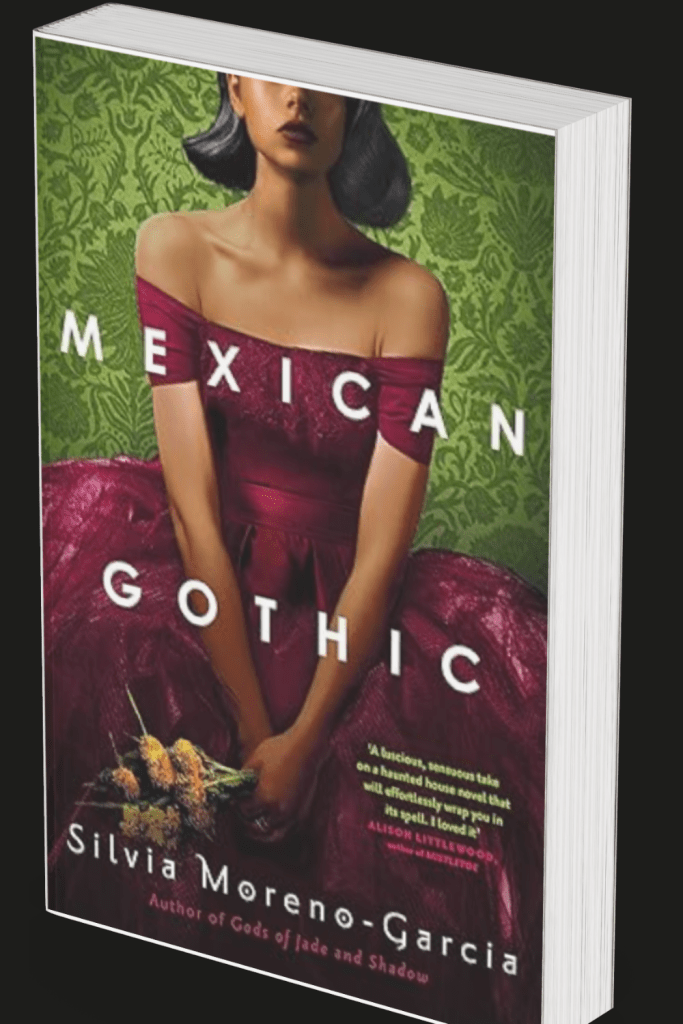
Noemí Taboada, a stylish and astute socialite from Mexico City, is the protagonist of the book. Her father sends her to see how her cousin Catalina is doing. Catalina recently got married into the enigmatic Doyle family, who live in a run-down estate named High Place in a remote area that is very different from the busy world Noemí is used to. Catalina has been writing more and more frightening letters home, talking of unsettling visions and poor health.
Noemí finds herself in an environment that is both harsh and solitary when she arrives at High Place. The ominous and forbidding mansion symbolizes the deteriorating legacy of the Doyle family, who amassed their fortune via an extensive enterprise in silver mining. Virgil Doyle, the family patriarch, is aloof and controlling, while other family members appear to be plagued by secrets that are stashed away in the house’s walls—possibly even in their blood.
As Noemí navigates the creepy house, she uncovers layers of horrors, from otherworldly happenings to horrific family history. The book descends into a nightmare that muddles distinctions between science and the occult, tradition and corruption, and reality and dreams.
The narrative structure of Mexican Gothic is heavily influenced by traditional gothic literature. Numerous recurring themes of the genre are present, including an isolated mansion, an enigmatic and aristocratic family, a sense of unease, and a woman who has to unravel the mysteries of the past. However, Silvia Moreno-Garcia’s reinterpretation of these well-known gothic motifs in a Mexican setting gives this book a new flavor.
Mexican mythology, history, and cultural elements infuse the narrative with a particular texture. The crumbling Doyle house, High Place, represents colonialism as well as the family’s fading legacy. The Doyle family is English in origin, and they became wealthy by taking advantage of the labor and land in Mexico. This historical component gives a social commentary layer where the gothic horror is mingled with the violent remnants of racial hierarchy and colonialism.
Mexican Gothic is replete with important topics, such as the mistreatment of women in a patriarchal society and the corrupting effect of riches and power. Despite having been raised in a wealthy household, Noemí finds herself ensnared in the dark customs of the Doyle family. A woman’s liberty taken away in the name of marriage and decorum is what her cousin Catalina serves as a warning against.
The book also examines the idea of “family curses,” which is common in gothic literature but is explained in this case from a psychological and biological standpoint. The Doyle family’s association with eugenics and perverse science serves as a terrifying reminder of the atrocities carried out historically and within the family in the name of “purity” and control.
The story has a very contemporary vibe to it because of the corporeal horror that surfaces later in the book and the psychological terror Noemí encounters. The horror has a surreal, almost hallucinatory feel to it, especially when Noemí begins to learn the unsettling truths about the Doyles’ extended lifespan and ability to manipulate others.
Noemí Taboada, the protagonist of Mexican Gothic, is one of its most powerful features. Noemí is brash, wise, and determined, in contrast to the submissive heroines sometimes found in vintage gothic literature. She first seems to be somewhat detached from the goings-on around her, more preoccupied with her social life in Mexico City than with her cousin’s problems. However, when the unsettling secrets of High Place come to light, Noemí develops into a staunch defender of justice who opposes the oppressive patriarchy that the Doyle family stands for.
She is not just an intriguing character but also a novel take on the gothic heroine because of her strong will and reluctance to fit in. Noemí actively fights against the darkness that threatens to consume her rather than waiting for someone to come to her aid.
The writing of Moreno-Garcia is detailed, moody, and full of rich details. High Place, with its mold-covered walls, deep fog, and an overwhelming sense of rot, is a character in itself. The tight sense of being confined to this dilapidated house permeates into the reader’s skin, giving the book an intimate yet unsettling vibe. Her writing is graceful and expressive, capturing the tension that slowly builds throughout a gothic horror story with ease.
Although some readers may find the novel’s pacing slow at first, the deliberate buildup is part of what makes the book’s final act so powerful. The story’s fall into terror feels even more deserved and fulfilling as the layers are lifted.
Mexican Gothic is a masterfully written book that revitalizes gothic horror by fusing a distinctive Mexican setting with feminist ideas and historical background. It is a daring reworking of the genre for contemporary readers as well as a love letter to vintage gothic literature.
The work has depth and importance because of Moreno-Garcia’s skill in balancing mystical themes with horrifying realities like colonialism and patriarchal tyranny. For anyone who enjoys horror, gothic fiction, or just a well-written, thought-provoking book.
 MACIJI