Thanksgiving is a season of thankfulness, family time, and, of course, good food. But regarding food waste, it’s also one of the most wasteful holidays. An estimated 200 million pounds of turkey are wasted annually over Thanksgiving, according to the National Resources Defense Council. Reducing food waste benefits the environment and your pocketbook and guarantees that everyone gets the precise quantity of their favorite foods without needless leftovers.
Here is a guide on portion control so that less food is wasted this Thanksgiving.
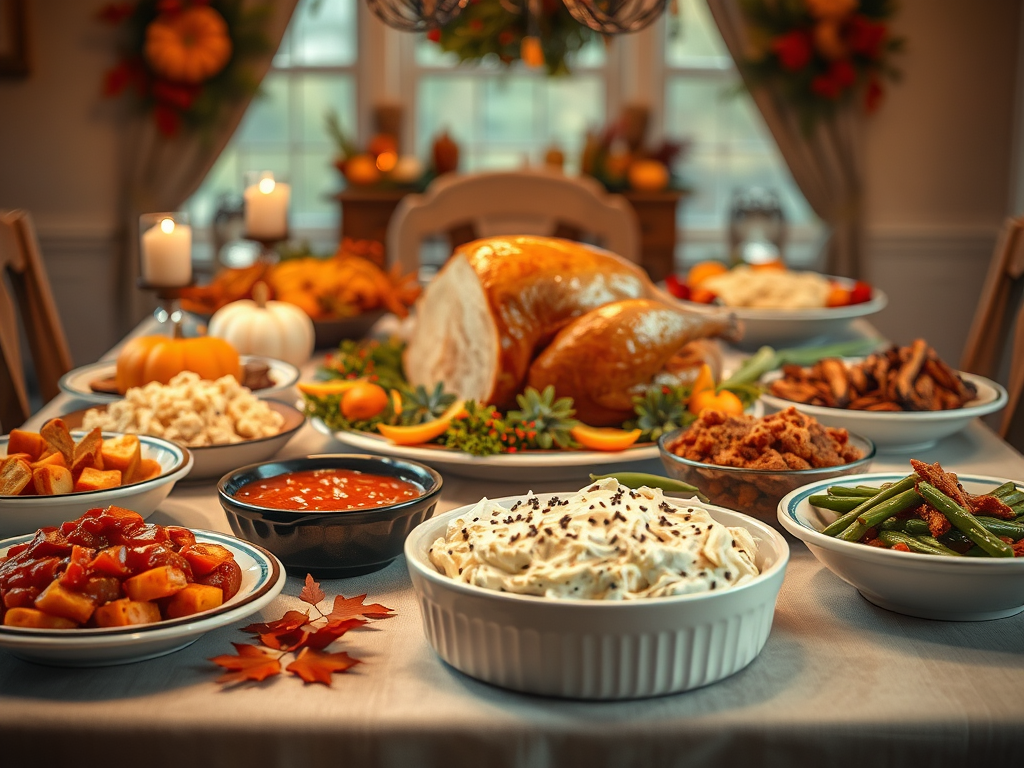
Know Your Guests and Their Preferences
Knowing how many people you’re serving and what they want to eat is the first step in cutting waste. Begin by posing the following queries:
How many kids and adults are going to be there?
Children consume lower portions than adults.
Are there any dietary requirements or preferences for the guests?
You can prevent over-preparing meals that people won’t eat by being aware of their dietary restrictions, such as vegetarianism, veganism, gluten intolerance, or food allergies.
What are the most popular dishes?
Concentrate on making just enough of your favorite recipes and cutting back on the ones that aren’t used very often.
Use a Portion Planning Guide
Particularly when it comes to classic Thanksgiving foods, portion sizes might be challenging. To help you decide how much food to prepare for everyone, here is a general guide:
•Turkey: Aim for 1 to 1.5 pounds per person, with less meat because this includes bones.
Everyone should have ¾ to 1 cup of stuffing.
• One cup of mashed potatoes per person.
• Gravy: one-third cup each.
• One-half cup of strawberry sauce per person.
• ½ cup of vegetables (roasted carrots, green beans, etc.) each person.
• Dinner Rolls: 1 to 2 per person.
• Pie: one piece per person, plus extra for those who enjoy dessert.
Adjust in accordance with the preferences of your group, using these estimations as a starting point. Set priorities appropriately if your family likes mashed potatoes but avoids cranberry sauce.
Plan the Meals and Stick to It
Make a thorough menu when you’ve determined the portions. By doing this, you may prevent last-minute over-preparation and maintain organization. Think about these suggestions:
Recipes can be scaled to fit your portion control: A lot of recipes are made to serve more people than you would need. Make appropriate adjustments to serving sizes or use online portion calculators.
Make fewer dish plans: Focus on two or three sides that you know people will like rather than creating five sides.
Be Realistic About Leftovers
Thanksgiving leftovers are a popular custom, but if you make far more than your guests can consume, they frequently lead to food waste. Include leftovers in your portioning if you like them:
• Choose how many days you wish to preserve the leftovers.
• To enjoy leftovers later, portion them into meal-sized amounts and freeze them.
• Provide containers ahead of time to encourage people to take leftovers home.
Aim to prepare just enough food to minimize leftovers if you’re not a huge lover of them.
Use Smaller Serving Dishes
It can be tempting to stuff huge platters or bowls full of food. As an alternative, serve food in smaller portions and restock as needed. This keeps food fresh and lessens the amount that is left out, which is frequently thrown out.
Avoid Overbuying Ingredients
Thanksgiving shopping can be daunting, but you can avoid overspending by following a shopping list that is based on your portion plan. Think about:
• Making a list of everything you currently own: Look through your refrigerator and pantry for items you already have before going to the store.
• Buying with precise amounts in mind: Get the smallest container instead of a family-sized pack if your recipe asks for two cups of broth.
Repurpose Leftovers Creatively
Regardless of how well you prepare, you will probably have some leftovers. Instead of throwing them, get creative:
• Turkey: Make casseroles, soups, or sandwiches with leftover turkey.
• Stuffing: Use stuffing as a topping for cooked casseroles or to make savoury waffles.
• Vegetables: Add roasted vegetables to omelets or salads.
• Mashed Potatoes: Make shepherd’s pie or potato pancakes with mashed potatoes.
Compost Food Scraps
There will always be some waste, no matter how hard you try. One sustainable method of preventing food scraps from ending up in landfills is to compost them, such as potato peels, vegetable ends, and spoilt leftovers.
Track What Worked (and What Didn’t)
Note which meals were popular and how much food was left over after Thanksgiving. You can use this knowledge to improve your portion planning for the upcoming year.
The first step in minimizing food waste at Thanksgiving is careful preparation. If you know your guests, follow portion control and use leftovers creatively, you may have a great supper with less of an impact on the environment. Keep in mind that Thanksgiving is a time for thankfulness, which includes enjoying and maximizing the food we make.
 MACIJI