The well-known self-help and psychology book “Attached: The New Science of Adult Attachment and How It Can Help You Find—and Keep—Love” by Amir Levine and Rachel Heller provides readers with an approachable and captivating introduction to adult attachment theory. The book describes how our attachment styles, which in turn affect how we act in romantic relationships, are shaped by our early experiences with carers. A detailed critique of the book may be found below.
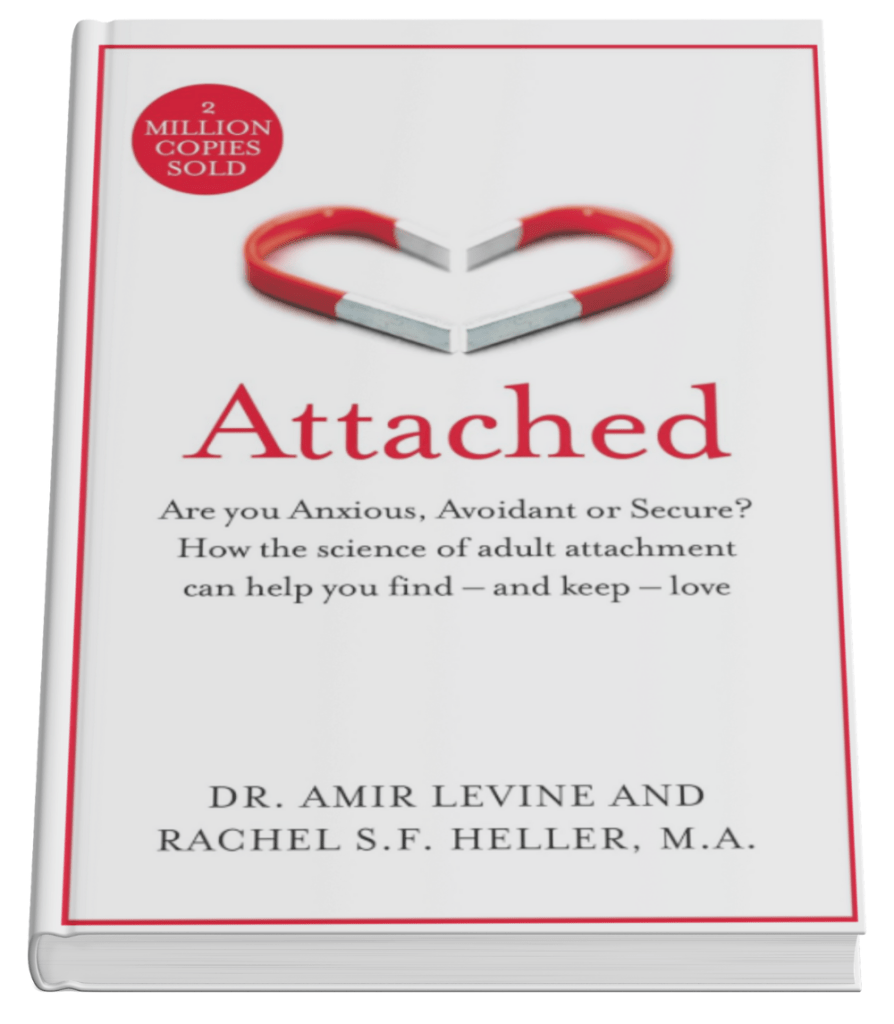
Image Credit: amazon.com
Overview and Key Concepts
Levine and Heller divide the intricate field of attachment science into three main categories:
• Secure: People who have a secure attachment style typically communicate honestly, feel at ease in intimate situations, and strike a good balance between independence and intimacy.
• Anxious: People who have an anxious style frequently yearn for closeness and assurance, which can occasionally lead to clinginess or excessive reliance as they fear their spouse won’t reciprocate their affection.
• Avoidant: Avoidant People cherish their independence and may be wary of being very intimate, retreating when the bond appears to be growing.
The authors contend that people can make better partner selections and create communication plans that promote stronger, more enduring bonds by being aware of these patterns. They offer useful resources including self-assessment quizzes, communication models, and boundary-setting guidance, all of which are meant to help readers adopt a more stable relational posture.
According to the attachment theory, a relationship should provide you peace of mind and boost your self-esteem. This is a wake-up call if it doesn’t!
Strengths of the Book
Complex psychology is explained in an approachable manner by Levine and Heller, who are successful in converting complex psychological theories into common English. A wide range of readers, even those without a background in psychology, will find the book engaging due to its structure, which begins with the science of attachment and progresses into helpful relationship advice.
Practical Suggestions and Effective Communication Techniques:
Its usefulness is one of its main selling factors. To assist readers in determining their attachment style and changing their behavior to create healthier relationships, the writers offer specific examples and exercises. It is especially helpful to emphasize the need of good communication as a means of resolving disputes and establishing mutual security.
Relevant Real-World Examples: Case studies and first-hand accounts are used to assist in firmly establishing the theory’s practical application. The council feels instantly applicable since readers frequently realize that the examples relate to their own lives.
Empowerment Through Self-Awareness: Through promoting introspection, the book enables readers to see that their relationship problems are not the result of personal shortcomings but rather of deeply rooted attachment styles. This viewpoint can foster development and lessen shame.
Criticisms and Limitations
Oversimplification of Attachment Styles:
Many opponents contend that human relationships are more complex than these generalizations imply, notwithstanding the usefulness of the secure, anxious, and avoidant categories. The book tends to overemphasize the difficulties of nervous attachment while presenting avoidant behavior in a fairly unfavorable, even villainous, light, according to some reviewers. Readers who do not easily fall into one category or who identify with avoidant tendencies may find this offensive.
A common criticism of the book is that it mostly ignores the disorganized (or scared) attachment style, which many people find to be pertinent to their own experiences. Because of this omission, the book’s framework may not adequately represent the complexity of some readers’ relationship behaviors.
Heteronormative Bias: The book’s usefulness for readers in LGBTQ+ communities may be limited because it mostly offers examples of heterosexual relationships, according to some reviews. A wider variety of examples could have made the book more inclusive, even if the fundamental ideas of attachment theory are universal.
Practical Depth: Although the book does a great job of presenting the idea of attachment, some reviewers believe that its suggestions for resolving ingrained attachment disorders can occasionally come across as cliched or oversimplified. Further resources or expert advice may be required for those looking for more complex treatment approaches.
Who Will Benefit from the book?
• Singles Seeking Clarity: The book provides a framework to better comprehend these dynamics if you’re trying to figure out why your dating habits tend to recur or why some partners feel right while others cause you to be disappointed time and time again.
• Couples Seeking to Enhance Communication: Everyone in a relationship can benefit from the helpful tips on communicating needs and establishing sound boundaries, but those who believe their communication could be better will find it especially helpful.
• People on a Journey of Self-Awareness: This book offers readers who are interested in personal development an empowering viewpoint that pushes them to reinterpret their fears and strive for a more stable attachment style.
The book presents adult attachment theory to a general audience in an engaging and approachable manner. Its ability to assist many people with understanding and enhancing their romantic relationships is a result of its concise explanations, realistic examples, and practical recommendations. Its narrow focus on heterosexual relationships, bias towards attachment types, and propensity to oversimplify complicated human behaviors are something to consider, though. All things considered, the book is probably going to be both enlightening and useful if you’re seeking a place to start learning about the science underlying how we connect with others—and are prepared to add to it with more resources.
For anybody interested in the relationship between genetics, early life experiences, and contemporary love, “Attached” offers a provocative road map to happier, healthier partnerships.
 MACIJI