Urban gardening is a new trend that is gaining traction in the middle of busy cities where there are few green spaces and high rent costs. Once thought of as only a pastime or environmentally responsible way of living, urban gardening has subtly evolved into a successful and fulfilling side business. City people are monetizing their green thumbs through rooftop farms and balcony herb pots.
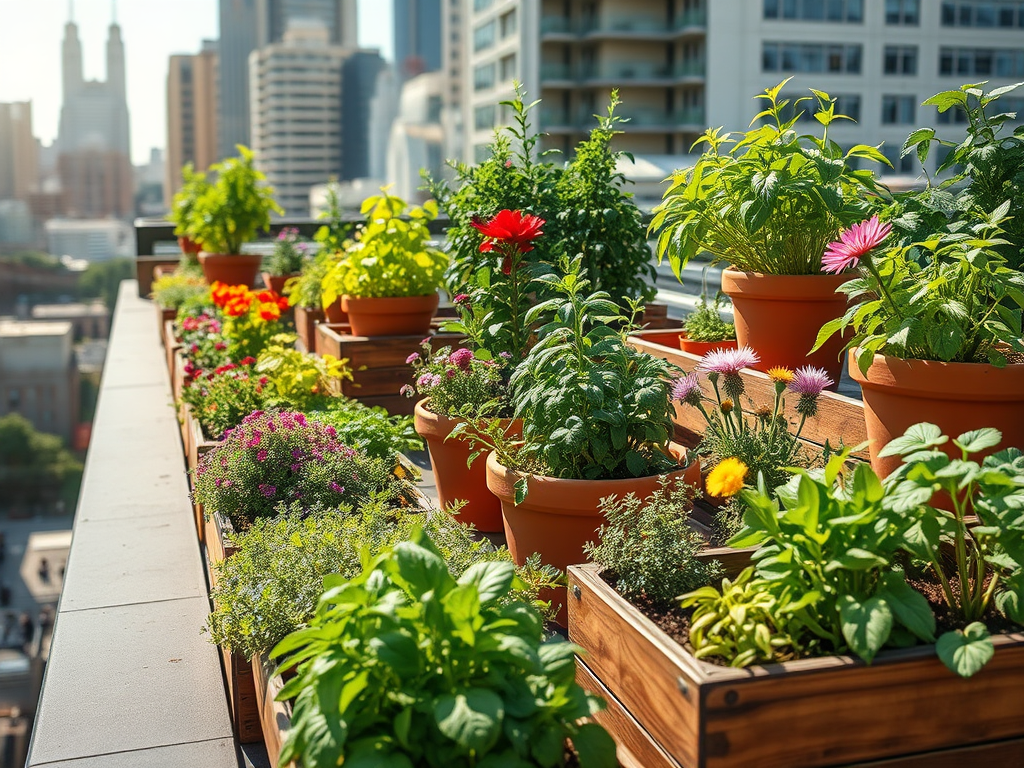
Urban gardening
Growing plants, vegetables, herbs, and even fruit in urban settings is known as urban gardening. Community garden plots, vertical gardens on walls, container gardens on apartment balconies and even hydroponic systems within tiny apartments might all fall under this category. Almost any urban area can be turned into a fruitful mini farm with a little imagination.
Why It Works as a Side Hustle
Minimal Startup Expenses
Starting an urban garden doesn’t have to cost a fortune. You may start growing with a few pots, dirt, seeds, and simple tools. To cut expenses, many cities now provide subsidized community areas or shared gardening plots.
Growing Interest in Local and Fresh Produce
Urbanites are becoming more aware of the source of their food. Produce that is cultivated locally, organically, and sustainably is highly sought for. By selling to nearby eateries, farmers’ markets, or neighbors, small-scale growers can access this market.
Adaptable and Expandable
You may adjust your efforts to fit your schedule, whether you’re tending to a large rooftop garden or just planting a few herbs. For those who have full-time employment and want to augment their income, it’s perfect.
Sustainable and Incentives
Reducing food miles, reusing waste, and fostering biodiversity are all ways that urban gardening supports sustainability. Additionally, it provides mental health advantages like stress reduction and a feeling of achievement.
Profitable Urban Gardening Ideas
Microgreens and Herbs: Microgreens such as radish, basil and rocket grow quickly and are very valuable. They are also ideal for limited spaces.
DIY Garden Kits: Grow kits that you package yourself (seeds, soil, and pots) and sell online or at local markets are known as do-it-yourself kits.
Compost Services: Convert food trash into compost and sell it as a value-added product or to nearby gardeners.
Online Content Creation: Use a blog, Instagram, or YouTube to share your gardening adventures. Make money via sponsorships, affiliate marketing, or online courses.
Tips for Success
Understand Your Market: What is in demand in your community? Fresh herbs? Salad lettuce? Flowers that can be eaten in fine dining establishments.
Remain Consistent: Consistent work is essential for any side project. Plan crop rotations in advance and make a maintenance schedule.
Use Tech Tools: Make use of apps for pest identification, garden planning, and even scheduling garden-related social media posts.
Start Small, Think Big: Take on small, doable tasks at first, then expand as you gain experience. Early overcommitment might result in burnout.
Challenges to Consider
Space Restrictions: You’ll need to use your imagination to make the most of the space you have. Hydroponic and vertical gardens aid in this.
Weather and Pests: Plants are susceptible even in urban areas. Invest in organic pest control techniques or protective structures.
Time management: It takes time to grow and care for a garden. Drip irrigation systems and other automation techniques can be useful.
As a side business, urban gardening is more than simply a financial venture; it’s a way of life that encourages sustainability, community involvement, and individual wellbeing. There are plenty of opportunities for both profit and purpose, whether you’re teaching people how to grow strawberries on their fire escape or selling heirloom tomatoes.
Now is the moment to literally dig in and produce something lovely and lucrative if you’ve ever wondered if a sunny windowsill or blank balcony could be more.
 MACIJI