Since its founding in 1854, Louis Vuitton has developed from a high-end trunk manufacturer to one of the world’s most significant fashion companies. Culture, consumer behavior, and the economy are all impacted globally. The brand is a key component of the luxury empire of LVMH Moët Hennessy Louis Vuitton (LVMH).
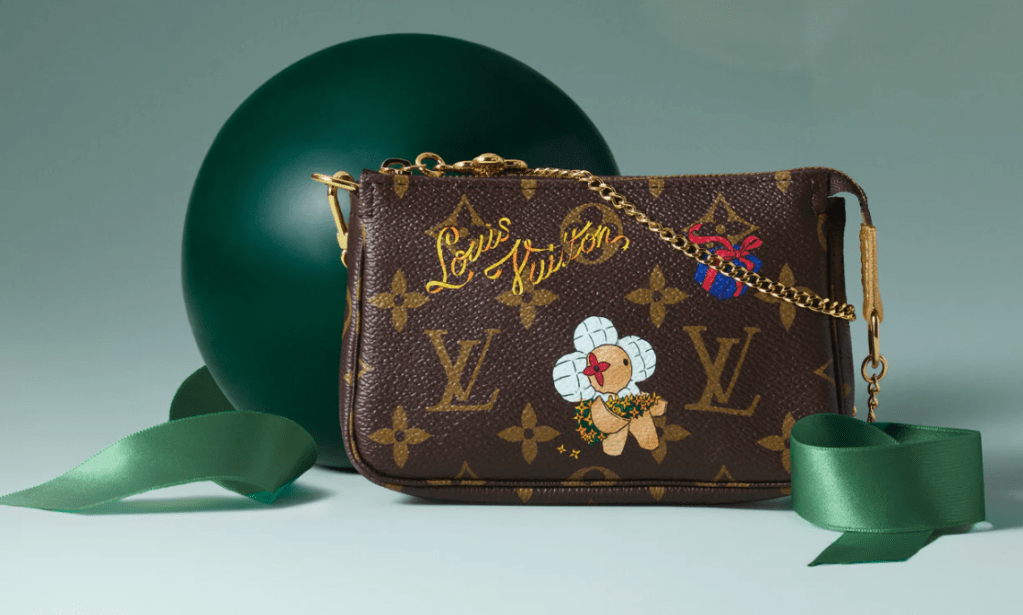
Image Source: louisvuitton.com
An overview of the brand’s identity and history
Riding the wave of globalization and luxury consumption, Louis Vuitton began as a manufacturer of flat-top trunks for a mobile elite in 19th-century France. The monogram “LV” later emerged and became a symbol of luxury. Over the course of the 20th and 21st centuries, the brand expanded into leather goods, fashion, accessories, and more.
According to Brand Finance, it is the most valuable clothing brand in the world as of 2024, with a valuation of approximately USD 32.2 billion.
Craftsmanship, premium materials, worldwide reach, and an aspirational lifestyle are all associated with the brand. Because of its renown, Louis Vuitton is able to fetch high prices all around the world.
How Louis Vuitton supports global economic trends
The brand both reflects and influences global economic trends in the following ways:
Luxury consumption as a gauge of global mobility and wealth
• The resurgence of luxury products following COVID-19 demonstrates how affluent and aspiring customers are regaining access to discretionary purchasing. For instance, despite worldwide challenges, LVMH’s revenue in 2024 was €84.7 billion.
• Emerging markets are crucial. Due to rising incomes and consumer power, the Asia-Pacific luxury apparel market is expected to grow at a compound annual growth rate (CAGR) of about 4.0% between 2024 and 2029. Companies like Louis Vuitton support industries like retail, travel and tourism (where luxury purchases are frequently associated with travel), manufacturing (which produces high-end leather goods), and export services.
Brand value, innovation and globalisation
• According to a recent survey, Louis Vuitton’s brand value increased by about 23%, demonstrating how prestigious and globally recognized businesses can prosper even in poorer macro settings.
• Its global store footprint, supply chains, and logistics support international trade and investment flows;
• The brand invests in digital transformation, e-commerce, and experiential marketing (e.g., fashion shows in key markets)—aligning with the broader shift towards digital-first retail everywhere.
Supply chain, employment and manufacturing impact
• Skilled craftspeople, specialized factories, and premium materials are necessary for high-end brands. This ties to the global sourcing of raw materials (textiles, leather) and generates employment in luxury manufacturing nations like France and Italy.
• The brand’s performance is linked to macroeconomic developments due to input cost inflation, currency rate volatility, and international trade policies.
Luxury as a “premium” market that can withstand some downturns
• Compared to mass retail, Louis Vuitton may be less susceptible to regular consumer cycles because it caters to wealthy consumers. The brand’s capacity to sustain margins and prices upholds luxury as a separate economic sector. For instance, Louis Vuitton’s parent company prioritized worldwide balance, quality, and durability even in the face of economic turmoil.
Cultural & soft-power effects
• The brand also contributes to cultural diplomacy and soft power through its presence in tourist areas, partnerships with artists, and flagship stores in big cities. Through tourism, upscale shopping areas, and municipal branding, this boosts local economies.
• As an illustration, a significant Louis Vuitton fashion show in Shanghai emphasized China as a vital business and cultural center.
Challenges & what to watch going forward
• Macro headwinds: Brands like Louis Vuitton are impacted by economic slowdowns, inflation, and declining luxury expenditure in important areas like China and Japan.
• Overexposure to important markets: If specific demographics and Asia are heavily relied upon, the danger of those markets failing may be increased.
• Preserving exclusivity: Brand dilution is a danger associated with growth. Louis Vuitton needs to strike a balance between expansion and maintaining its upscale reputation.
• Sustainability and ethics: Louis Vuitton is taking steps in response to consumer demands for ethical sourcing, transparency, and environmental effect, while scrutiny persists.
• Geopolitical and trade risks: Cost structures and luxury manufacturing are impacted by tariffs, currency fluctuations, and disruptions in the global supply chain.
Louis Vuitton is a prime example of how a luxury fashion business can both support and mirror global economic trends, such as the balancing act between worldwide growth and exclusivity, digital retail, and expanding global wealth and emerging market demand. Its significance extends beyond the sale of handbags because to its connections to luxury services, manufacturing, travel and tourism, and culture.
However, the brand is susceptible to structural changes and economic cycles. To succeed in the future, it will need to manage volatility in important markets, adjust to sustainability requirements, and remain relevant to younger luxury buyers.
 MACIJI