Fairphone stands out as a company committed to changing the laws of the electronics industry in a world where cell phones are updated nearly as fast as digital trends change. Its goal goes well beyond producing another stylish gadget; it aims to fight hidden supply-chain inequities, question the lifecycle of technology, and enable customers to make morally sound online decisions. Fairphone has emerged as a useful example of how technology may promote both environmental stewardship and moral online conduct as discussions about sustainability and digital responsibility become more prevalent.
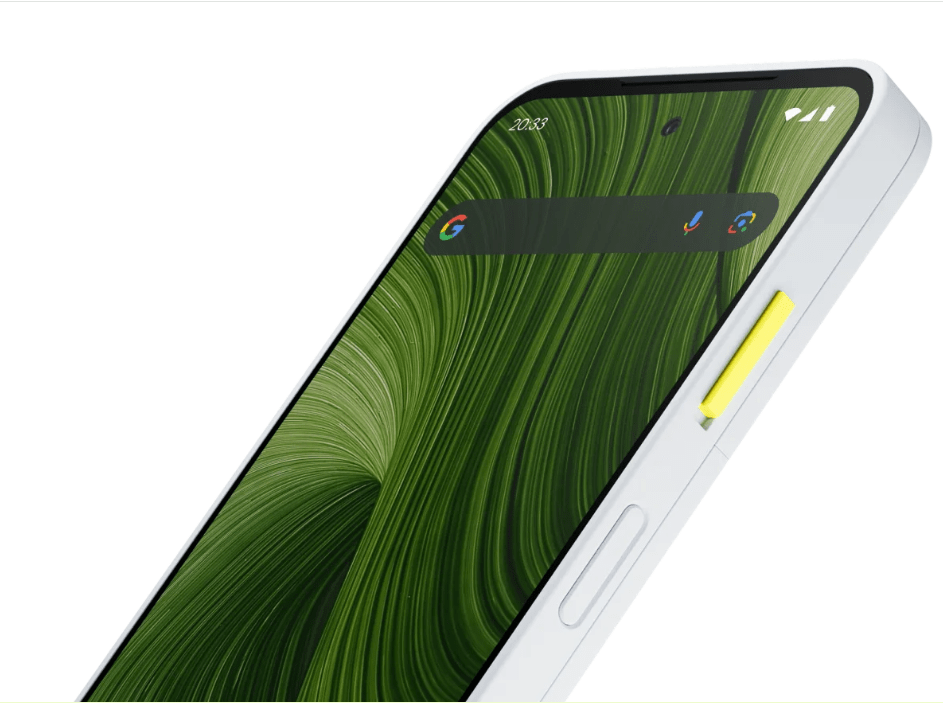
Image Source: https://www.fairphone.com/nl
A Smartphone Designed for People and Planet
Longevity, repairability, and ethical sourcing are at the core of Fairphone’s design philosophy. Fairphone phones are modular, in contrast to popular smartphones that are locked behind proprietary parts and purposeful obsolescence. Anyone may perform repairs by using basic tools to replace parts like the screen, battery, camera, or USB port. This pushes consumers to reevaluate the disposable culture while significantly reducing electronic trash, one of the waste streams with the fastest rate of growth worldwide.
Fair labor practices, transparent supply chains, and conflict-free minerals are also top priorities for the corporation. Fairphone promotes a digital environment where accountability is the standard rather than the exception by being transparent about the sources of its materials and the factories that assemble its products.
Promoting Ethical Online Behaviour Through Design and Culture
Although Fairphone is best known for its ethical gear, it also has a significant impact on online conduct. The business encourages ethical online behavior in several ways:
Promoting Conscious Consumption
The philosophy of Fairphone encourages users to use technology responsibly. Having a long-lasting gadget changes one’s perspective from quick upgrades to deliberate upkeep. This mindset is similar to better online habits in that users become more conscious of the consequences of their digital decisions, from cutting back on data-intensive activities to questioning the need for continuous connectivity.
Transparency as a Model for Online Integrity
By encouraging supply-chain openness, Fairphone cultivates an honest culture that can permeate personal online behavior. Customers are more likely to value truth in the information they share when they value honesty in the goods they purchase. Fact-checking, responsible publishing, and valuing online communities are examples of ethical behaviors that are strengthened by this alignment.
Encouraging Users via Ownership and Repair
Repairability is empowering as well as environmentally beneficial. Fairphone promotes autonomy and dismantles the gatekeeping of tech knowledge by providing consumers with the means and freedom to fix their own devices. Users who are aware of and in control of their devices are more likely to behave ethically when it comes to data privacy, digital security, and online self-management.
Reducing Hidden Digital Footprints
Making a long-lasting gadget lowers the energy requirements for production, transportation, and disposal. More broadly, it increases awareness of digital carbon footprints, which are the invisible energy costs associated with regular digital interactions, cloud storage, and streaming. Fairphone’s campaigning aids consumers in comprehending how ethical online behavior is reflected in sustainable hardware practices.
Developing Sustainable Digital Citizenship in the Future
Fairphone serves as an example of how ethics and sustainability are pragmatic decisions ingrained in commonplace technology rather than theoretical concepts. The company challenges customers to reevaluate their relationship with technology—how it is created, how it is utilized, and how it affects our online behavior—by rethinking what a smartphone may be.
Fairphone’s approach provides a crucial blueprint for technology that respects the environment, empowers people, and fosters a culture of transparency and responsibility as digital spaces become more essential to modern life. By doing this, it fosters the development of a new type of digital citizen—one who recognizes that moral behavior starts with the tools we select and continues to how we interact with the outside world.
 MACIJI