Waste management has emerged as one of the most urgent issues facing cities globally in the era of climate change and expanding urban populations. Modern waste streams are too complex and big to be handled by traditional methods, which are primarily manual, ineffective, and prone to human mistake. Thankfully, automation and artificial intelligence (AI) developments are transforming recycling and waste management, making the process more efficient, sustainable, and intelligent.
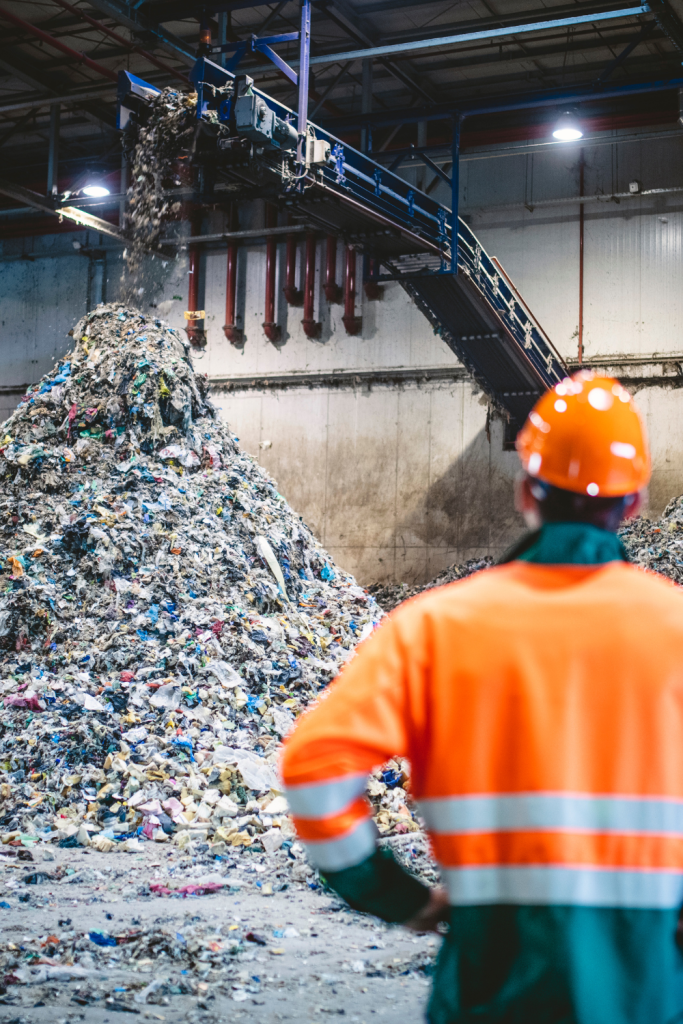
Image Credit: AzmanJaka from Getty Images Signature
The Importance of Intelligent Waste Management
Every day, a huge amount of waste is produced in urban areas. Over 2 billion tonnes of municipal solid garbage are produced worldwide each year, with at least 33% of that amount not being managed in an environmentally responsible way, according to the World Bank. Efficient sorting and processing are logistical challenges due to the growing diversity in waste composition, which includes everything from metals and plastics to electronic waste. Conventional recycling techniques are frequently contaminated, producing recyclables of lower quality and increasing reliance on landfills.
AI-Powered Trash Sorting: Revolutionary
Automated waste sorting is one of the most revolutionary uses of AI in waste management. AI-driven systems identify, categorise, and separate waste materials with exceptional accuracy by combining deep learning algorithms, robotics, and machine vision. Paper, plastics, metals, glass, and even dangerous materials can all be distinguished in real time using these devices.
Computer Vision: Images of waste materials on conveyor belts are captured by cameras and sensors. Each item is identified and categorised using AI models that have been trained on thousands of garbage pictures.
Robotic Arms: After being identified, robotic arms can pick and sort objects into the proper bins at up to 80 picks per minute, which is far faster than human capacity.
Adaptive Learning: By continuously learning from fresh data, these systems become more flexible in response to shifting trash streams and local recycling regulations.
IoT Integration and Smart Bins
AI is also used in waste collection, as evidenced by smart bins with sensors that track fill levels, distinguish different sorts of rubbish, and even spot unlawful disposal. These bins use the Internet of Things (IoT) to connect to municipal trash systems, allowing:
Dynamic Route Optimisation: By avoiding pointless pauses, garbage trucks can cut down on emissions and fuel use.
Real-Time Alerts: When bins overflow or break, maintenance crews are immediately notified.
Data analytics: By understanding waste generation trends, city planners can enhance resource allocation and policy.
Artificial Intelligence in Recycling Facilities
AI is being used more by recycling facilities, also known as materials recovery facilities (MRFs), to improve efficiency and quality control:
AI Quality Assurance: When sensors are paired with AI, they can identify impurities that degrade recyclable materials, like food residue on plastics or mixed materials like paper lined with foil.
Predictive maintenance reduces downtime and repair expenses by using AI systems to monitor machines and anticipate issues before they occur.
Demand and Inventory Forecasting: AI aids in forecasting the market’s need for recycled materials, maximizing sales and storage.
Economic and Environmental Effects
There are several advantages to using AI in waste management.
Higher Recycling Rates: AI lowers contamination and raises the amount of materials that are effectively recycled by increasing speed and accuracy.
Reduced Operational expenses: Automation improves operational efficiency and lowers labour expenses.
Decreased Carbon Footprint: Emissions and the need for landfills are decreased by better recycling procedures and logistics.
New Job Creation: Although some manual jobs may eventually be eliminated, new jobs in data analytics, robots, and AI system management are starting to appear.
Obstacles and Things to Think About
AI-based trash management has obstacles despite its potential:
High Initial Investment: Setting up automation infrastructure, particularly in developing nations, can be expensive.
Data Security and Privacy: Because smart bins and IoT devices gather a lot of data, there are worries regarding user privacy and data security.
Technology Adaptation: It can be difficult to train employees and modify current systems to cooperate with AI.
The Road Ahead AI is essential for sustainable urban living, not merely a convenience tool. AI-driven waste management systems will be essential to reaching zero-waste targets and a circular economy as governments, businesses, and communities continue to place a high priority on environmental responsibility.
Investing in these technologies now will result in healthier ecosystems, cleaner cities, and a world that uses resources more efficiently in the future.
Ten years ago, it would have been impossible to imagine the new waste management and recycling opportunities that artificial intelligence is bringing about. AI is improving the intelligence, cleanliness, and efficiency of our waste systems through predictive logistics and intelligent sorting. AI stands out as a potent ally in the quest for sustainable waste solutions as the globe struggles with the twin issues of urbanization and climate change.
 MACIJI